The craftsman who didn't want to be an author
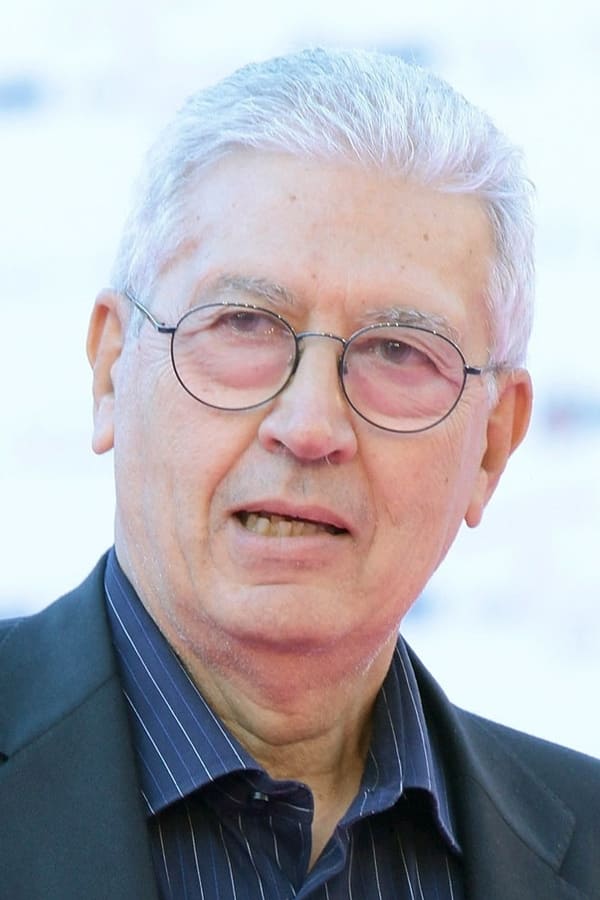
Sergio Martino was born in Rome on July 19, 1938, with cinema already part of the family home. His grandfather was director Gennaro Righelli, and his brother Luciano ran the production side with an iron hand. But Sergio never sought festival glory or the approval of the serious critics of the day.
For him, the camera was a working tool, much like a carpenter's hammer. Before moving into directing, he learned the trade as an assistant to filmmakers like Mario Bava and Riccardo Freda. From them he absorbed that Italian talent for making films that looked like they cost ten times more than what the official budget actually showed.
Film was a family business.
In 1971, he shot The Strange Vice of Mrs. Wardh and the suspense market changed overnight. He didn't do it out of a deep aesthetic quest but because he understood audiences wanted to see eroticism mixed with razor-sharp blades. On that film he worked for the first time with Edwige Fenech (the actress who would become his box-office good luck charm for years).
And the gamble paid off.
In the first half of the 1970s he churned out titles such as All the Colors of the Dark and Your Vice Is a Locked Room and Only I Have the Key. His framing was direct, and he used the zoom without any shame to emphasize horror or desire. Because in that Italy of the Years of Lead, genre cinema was pure, hard-edged escapism that allowed no breaks.
Blood, Cannibals and the Refuge of Television
When interest in the giallo began to fade, Martino didn't sit at home waiting. In 1973 he directed I corpi presentano tracce di ignoti and helped lay the groundwork for what Americans would later call the slasher. But his thing was never film theory, and if the market wanted jungles and cannibals, he went off to shoot in Sri Lanka.
In 1978 he released Mountain of the Cannibal God with Ursula Andress as the main draw. It was a brutal production in which real animals and explicit violence aimed for easy impact in neighborhood cinemas. So the director adapted to whatever came along, whether that meant post-apocalyptic mutants or slapstick comedies with footballers in the background.
The Italian film industry began to crumble in the 1980s because of private television. Many of his colleagues retired, but Martino found a safe haven on the small screen, directing series and quick-turnaround films. In 1983 he tried to compete with Hollywood by shooting 2019, dopo la caduta di New York on a shoestring budget and with plenty of visual imagination.
Money called the shots over the script.
From the 1990s on, his pace of work dropped sharply. He directed some television productions such as La reina de los hombres pez in 1995 and stepped away from the noise of constant shoots. In 2017 he published his memoir titled C’era una volta il giallo (anzi, due), in which he looked back on his career without unnecessary nostalgia.
In 2022 he took part in the documentary Giallo a Venezia, which looks at a genre he helped squeeze dry. He lives away from the spotlight at his home in Rome and prefers to talk about contracts fulfilled rather than artistic legacies. His filmography includes 65 titles as a director across film and television.