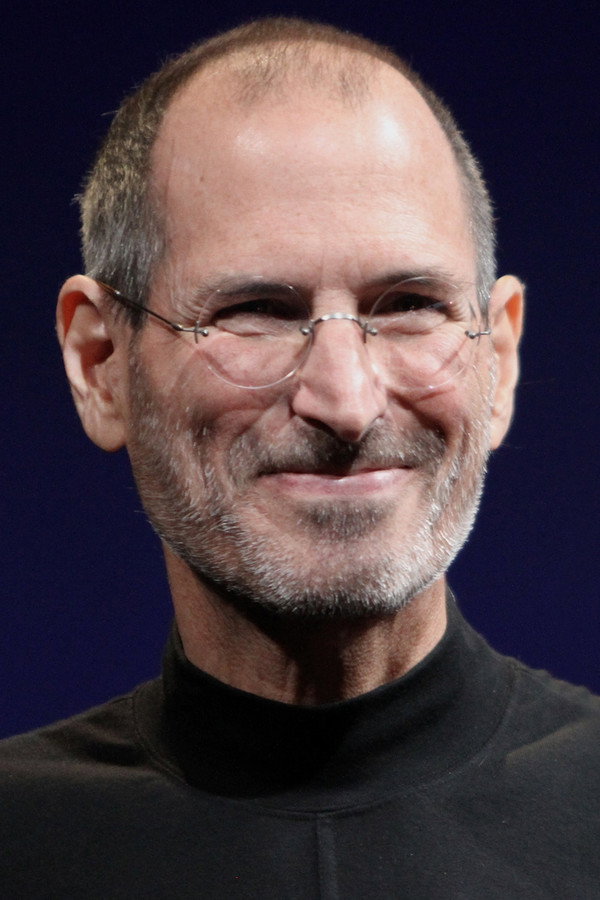
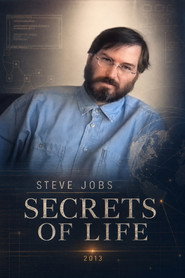
In 1986, George Lucas needed cash to pay for an extremely expensive divorce and avoid bankruptcy. Steve Jobs seized the urgency, put five million dollars directly on the table for the filmmaker, and another five million in capital to buy Lucasfilm's digital division. He didn't know how to write a screenplay or understand camera language. But he sensed that a machine could calculate light better than any old-school director of photography.
Nobody in the industry believed in that junk.
Those computer scientists didn't want to make animated films; they wanted to sell an extremely expensive computer designed for hospitals and intelligence agencies, the Pixar Image Computer. Jobs funded the bottomless pit for nearly a decade. But the company kept losing money every quarter, until it burned through more than fifty million dollars of his personal fortune. The rescue came when John Lasseter showed a few minutes of test footage featuring a tin toy and convinced his boss that the software only mattered if it told a story with real heart.
The Standoff with the Burbank Studios
In 1991, he signed a lopsided deal with Disney to produce three computer-animated feature films. Jeffrey Katzenberg wanted to shape the first project after classic Broadway musicals, demanding forced songs and characters with a repugnant cynicism that nearly sank the production of Toy Story. Jobs did not get involved in designing the digital puppets, but he shielded the technical team from the pressure coming out of Burbank until the final cut respected the animators' vision.
In November 1995, the film hit theaters and blew past global box office expectations with 373 million dollars in box office earnings. A week later, Jobs took the company public on Wall Street. That move caught Disney executives off guard, who overnight watched their technology partner become worth more than a billion dollars without having released its second feature film.
And the balance of power changed forever.
The relationship with Michael Eisner ended in a televised corporate divorce. Jobs couldn't stand the arrogance of Disney's top boss and was unwilling to give up half the profits from titles like Finding Nemo or Monsters, Inc.. When the distribution agreement expired in 2004, he abruptly cut off talks and quietly waited for Disney's board of directors to fire his rival.
The Final Takeover and the Return to Cupertino
Bob Iger picked up the phone in 2005, right after taking the helm at Disney to stop the bleeding. The Mouse House bought Pixar in early 2006 for 7,400 million dollars in stock. With that deal, Jobs became the largest individual shareholder of the entertainment giant, holding 7.7 percent of the total capital and a seat on its board of directors.
Technology had to win people over through their eyes.
While he was reshaping the foundations of family cinema, he had returned to Apple in 1997 after being fired from his own company a decade earlier. He arrived in Cupertino with a symbolic salary of one dollar a year and wiped out seventy percent of the open projects in one stroke. He applied the same ruthless scissors he used in editing rooms: if a product didn't hook the user within the first three seconds, it didn't deserve to leave the factory.
In 2001, he launched the player that transformed music distribution, and six years later he upended the mobile phone industry with a multitouch screen made of tempered glass. He oversaw the buttons, the rounded corners, and the feel of the aluminum with surgical intensity. He demanded that engineers redesign circuit boards that no buyer would ever see, simply because the interior design looked ugly to him.
On October 5, 2011, Steve Jobs died at his home in Palo Alto from respiratory failure caused by a neuroendocrine pancreatic tumor. Two weeks later, his heirs sold half of his Disney stock holdings at an average price of 34 dollars per share.