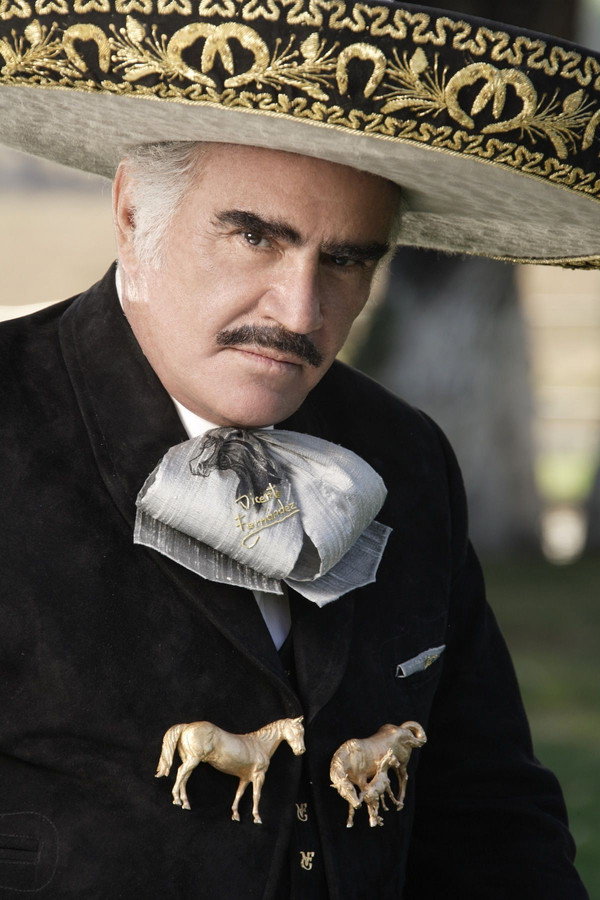
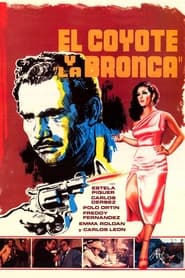
In 1971, the Churubusco studios smelled of mothballs. Mexico's golden age of cinema had been buried for two decades, and commercial theaters survived on low-budget racy comedies or fading wrestling films. Vicente Fernández stepped onto that set without having studied a single day of drama.
He debuted on screen in 1972 with Tacos al carbón.
The move was purely commercial: cash in on the mass sales of his vinyl records at neighborhood movie theaters. Producers knew full well that the working-class audiences of Mexico City and the peasants who had emigrated to Texas would fill any venue where a charro suit appeared. But no one expected that this singer from Jalisco would carry the box office of popular cinema on his shoulders for nearly two decades.
The Business of Singing on Screen
In 1976, director Alberto Mariscal shot La ley del monte. The formula ran with mathematical precision: first the song blasted out of radio speakers, then a feature film was rushed into production with the sole purpose of illustrating those lyrics.
Audiences weren't looking for technical innovations or psychological nuance in the dialogue. They paid to see their idol settle scores with gunfire and enjoy his powerful voice in three key scenes. That film brought in more than four million dollars in the U.S. Hispanic market alone, an unheard-of profit margin for a shoot wrapped in a few weeks in the state of Hidalgo.
And the trick was repeated some thirty times.
Because Fernández decided from the start that the 35mm projector was merely a promotional tool to fill rodeo grounds. He couldn't care less about international film festivals or the articles of the capital's snobbish critics.
Controlling the Negative and Retiring at the Right Time
With El tahúr in 1979, the singer took a step that caught the era's executives off guard. He was no longer content to collect his salary as the lead actor; he began co-producing and deciding on the final cut in the editing room.
He mastered the tricks of local distribution down to the last detail. He knew that in Guadalajara or Monterrey theaters filled up out of habit, but he personally made sure prints reached the outlying theaters in Los Angeles and Chicago on time.
During the 1980s, he churned out films such as El diablo, el santo y el tonto and Por tu maldito amor on meticulously calculated budgets. He shot each film in just three weeks to cut crew costs and returned straight to the recording studio.
The arrival of video rental stores and cable television finished off that community-based exhibition model in theaters.
In 1991, he shot Mi querido viejo under director Rafael Villaseñor Kuri, his go-to filmmaker. It was his last job on the big screen. After that shoot, he shut down his film production company with thirty-four titles in its catalog and not a single fiscal year in the red.