The Toughest Guy at Five Foot Five
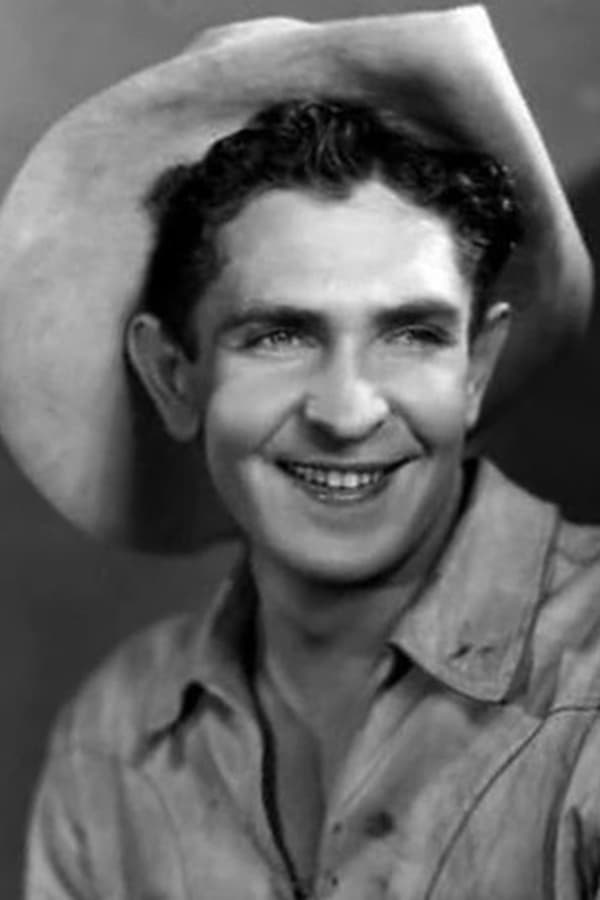
Bob Steele was barely five foot five. In a genre dominated by square-jawed giants such as John Wayne, this small man with electric eyes had to learn to throw the first punch so nobody would notice his height. He didn't need stunt doubles for dangerous scenes, because his father, director Robert N. Bradbury, had taught him to ride and fight before he learned to read a script.
He debuted in silent films and ended up making more than two hundred movies. His career wasn't defined by the quality of the scripts but by a relentless work ethic that let him shoot a full western in less than a week. By the late 1920s he was already a star of double features and matinee screenings.
And the gamble paid off.
Steele soon understood that B-movies weren't after psychological depth but direct action. He became the face of small studios such as Monogram or Republic Pictures. During those years he made films such as Near the Rainbow's End in 1930 or The Man from Hell's Edges in 1932, where his physical agility made up for the lack of budget for sets.
From Cardboard Desert Westerns to Prestige
His real breakthrough came when Lewis Milestone cast him in Of Mice and Men in 1939. Steele stopped being the bouncy cowboy and played Curley, a character full of bile and insecurities. It was the first time critics took seriously an actor who until then had only entertained teenagers at neighborhood movie theaters.
But the general public remembers him for his role as a hired killer in The Big Sleep, filmed in 1946. Howard Hawks knew how to exploit the coldness Steele concealed behind his light eyes. In a legendary scene, he forces Humphrey Bogart to drink poison with a calm that chills the blood. That supporting player stole the spotlight from the main stars for ten minutes of pure screen time.
It wasn't all applause and big productions.
During the 1950s the genre began to decline, and Steele returned to the mud of television. He joined the cast of The Three Mesquiteers and later found a steady spot in the comedy F Troop between 1965 and 1967. He played Duffy, a veteran who remembered battles that never happened, unknowingly parodying his own career as a low-budget action hero.
The Retirement of a Hollywood Journeyman
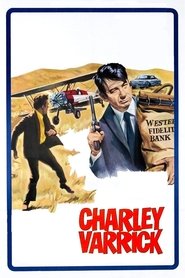
Steele never chased the glory of awards or big Broadway premieres. He felt at home on fast-paced shoots where the budget was tight and the dust of the trail was real. In 1973 he appeared in his last feature film, Charley Varrick, under the direction of Don Siegel. It was a brief role, but it carried the authority that fifty years in front of the camera give.
He spent his final years away from the spotlight in Burbank, California. He didn't give many interviews because he considered acting simply a trade, like carpentry or bricklaying. So he devoted himself to enjoying his retirement without claiming a place in the modern star Olympus that didn't understand his way of working.
He died on December 21, 1988 from complications of pulmonary emphysema.
His body was buried at Forest Lawn Memorial-Park in Glendale without any major state tributes. His final filmography count exceeds 240 titles across film and television.