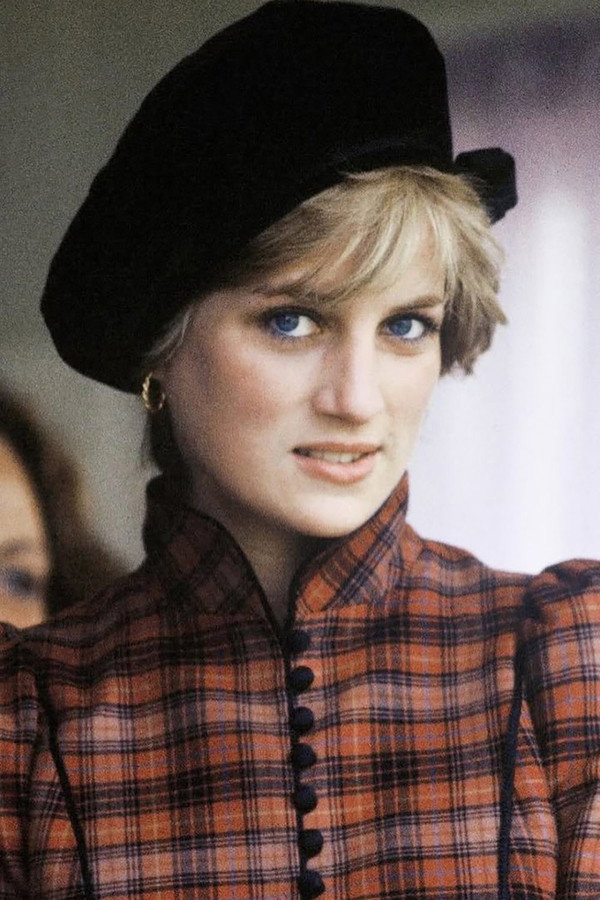
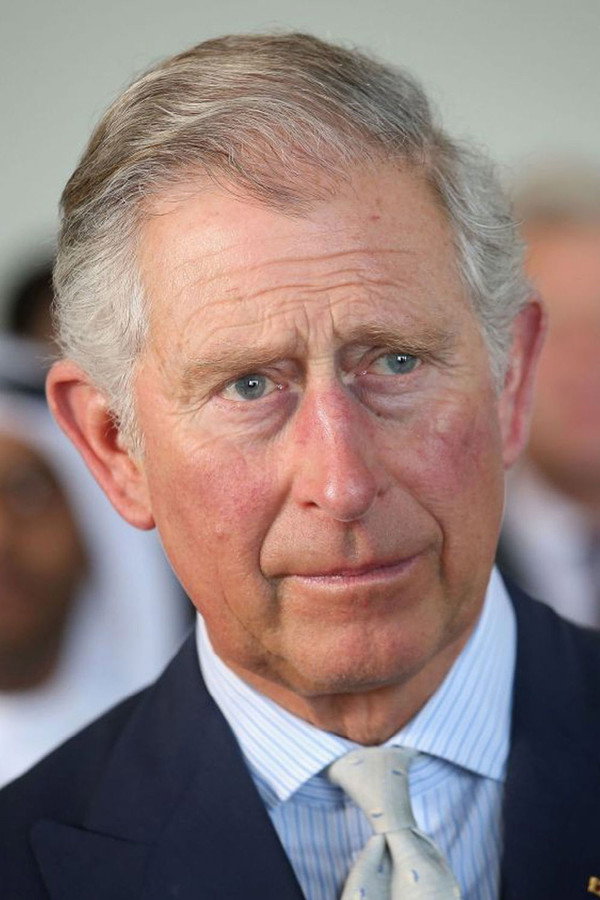
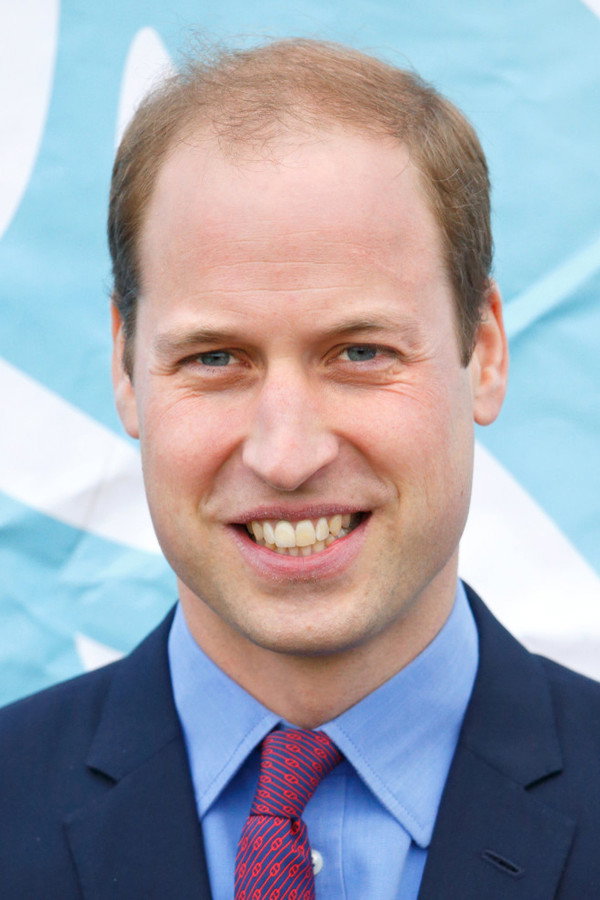
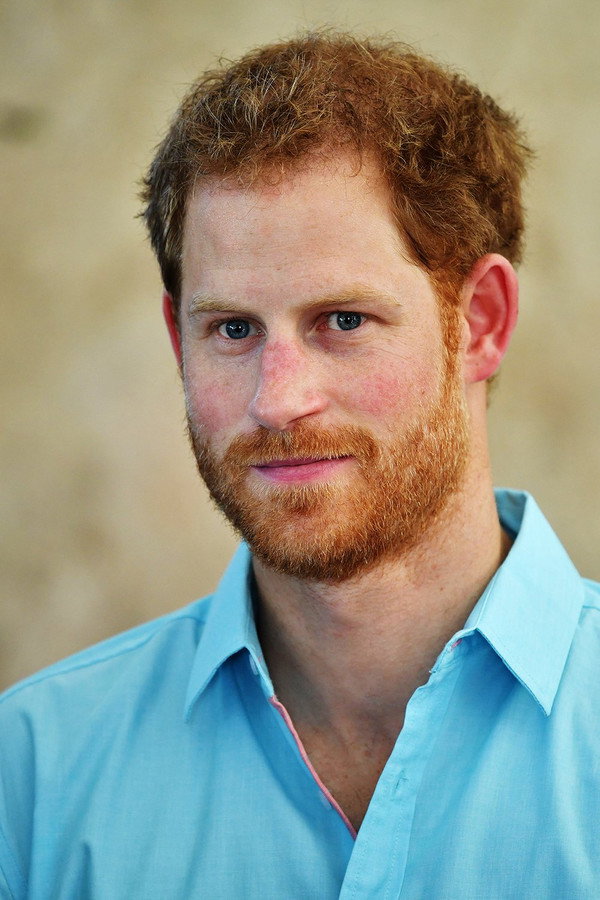
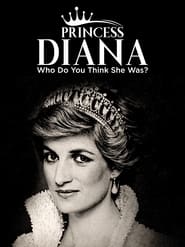
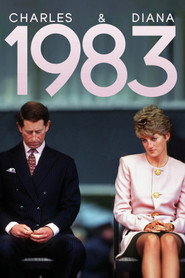
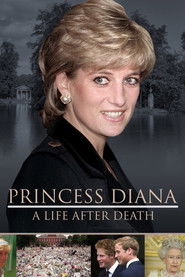
In July 1981, more than seven hundred and fifty million viewers in seventy-four countries tuned in to watch her walk into St. Paul's Cathedral. She wore a silk taffeta gown with a seven-and-a-half-meter train that barely fit in the glass carriage. Nobody in the British court foresaw that this broadcast was ushering in the biggest reality TV machine of the twentieth century. Diana Spencer entered public life with no acting training, yet she understood the mechanics of the camera far better than the industry's veterans.
She learned to look down to master the lens.
That shy gesture with her chin tilted down was no feigned insecurity. It was an instinctive survival strategy against the packs of telephoto-lens photographers camped outside her flat at Coleherne Court. London's tabloids paid fortunes for any photo of her strolling through the Earls Court neighborhood, back when she still worked as an assistant at the Young England nursery. She went from earning just over a pound an hour looking after children to becoming the focus of the most relentless mass narrative in the British press.
The Art of Breaking Down the Wide Shot
The British monarchy treated public appearances as static tableaux meant for oil painting. Diana changed the scale and forced the media to move from wide shots to close-ups. In April 1987, she walked through the doors of London's Middlesex Hospital to open the country's first unit dedicated to AIDS patients. Shaking hands with a terminally ill patient without gloves dismantled the medical myths of the era in a single tenth of a second in front of television cameras.
That image carried more weight than any public health ministry campaign. It also infuriated palace advisers, because it broke the protocol of distance that the crown had guarded for centuries.
But the domestic rift soon leaked onto the TV news reels. For years the press sold a pastoral fairy tale while the marriage was falling apart in private. When Diana decided she would not be a supporting character in Prince Charles's schedule, she used leaked audio and direct confidences to wrest control of the narrative. In June 1992, journalist Andrew Morton published Diana: Her True Story, a biography built on secret tapes recorded by the princess herself at Kensington Palace.
And she blew up the palace walls from the inside.
The book sold more than five million copies in just a few months. The royal household's official response was isolation, but Diana was already operating like an independent producer who controlled her own media timing.
Her Own Script Versus Seventy-Seven Spotlights
In November 1995, she pulled off her biggest media move. She invited journalist Martin Bashir into her private quarters to record a one-hour interview without informing her secretaries or the Queen. Twenty-three million people tuned in across the United Kingdom to hear her speak openly about bulimia, infidelity, and postpartum depression. It was a precisely calculated performance in which her direct gaze into the camera shattered the institutional rhetoric of Buckingham Palace.
The court never forgave her for mastering the close-up.
So the formal divorce signing in August 1996 did nothing to dent her star power. Diana auctioned seventy-nine of her evening gowns at Christie's New York headquarters in June 1997, raising three million and a quarter dollars for cancer research and the fight against AIDS. Weeks earlier, she had walked through the minefields of Huambo, Angola, in a protective vest. It was not abstract charity; it was the deliberate use of her celebrity to pressure governments into signing the Ottawa Treaty.
Fiction, Archive Footage, and the Business of Grief
After her death in the Alma Tunnel in Paris in August 1997, film and television turned her life story into a genre of its own. Directors and screenwriters have tried to decode the magnetism of her figure through very different narrative lenses. Stephen Frears examined the political crisis surrounding her funeral in The Queen in 2006, while Oliver Hirschbiegel stumbled at the international box office in 2013 with Diana, a flat melodrama that cost fifteen million dollars and failed to recoup its investment.
Serialized fiction found its most profitable vein in The Crown, where actresses such as Emma Corrin and Elizabeth Debicki recreated her figure across successive chronological stages. But it was the documentary The Princess, directed by Ed Perkins in 2022, that did away entirely with on-camera talking-head testimony, building its narrative solely from archival footage and news reports of the time.
In 2021, Chilean filmmaker Pablo Larraín released Spencer, shot in 16 and 35 millimeter formats to isolate Diana during three suffocating days at Sandringham on a budget of eighteen million dollars. The film took in twenty-five million at theaters worldwide and earned Kristen Stewart an Oscar nomination, although its domestic box office in the United States did not exceed seven million.