The pilot who preferred editing to stardom
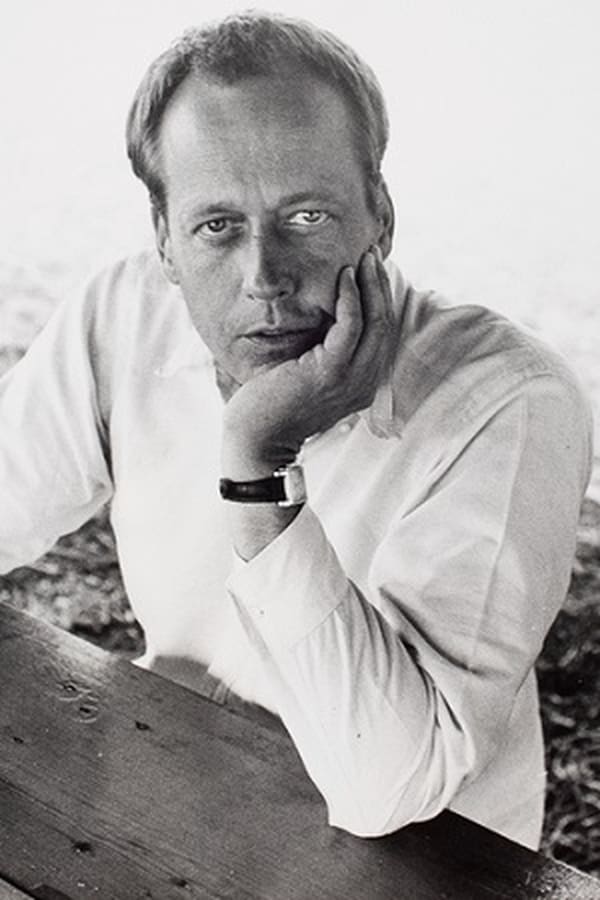
George Roy Hill never sat in the director's chair to seek critical approval or to feed his ego. Before that, he was a combat pilot in World War II and served again in the Korean War. That military training gave him a technical coolness that he applied to every one of his films. But his true obsession was classical music, something he learned during his years of study in Dublin.
He started out in live television during the 1950s. Back then mistakes were not forgiven, and Hill learned to plan his shots with almost mathematical precision. He didn't believe in constant improvisation. He preferred that actors know exactly where to stand so the camera could do its job without getting in the way.
In 1962 he made his film debut with Period of Adjustment. It was a Tennessee Williams adaptation that passed without much fuss. But Hill already showed an unusual ability to handle comedic timing without tipping into farce. Hollywood began to take notice of his knack for finishing shoots on schedule and within budget.
And the gamble paid off.
The Chemistry of Two Billion Dollars
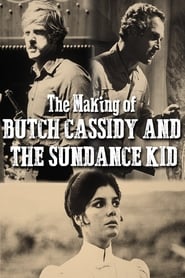
In 1969, George Roy Hill decided the Western needed an aesthetic makeover. He shot Butch Cassidy and the Sundance Kid with a sepia color palette and a rhythm that resembled a choreography more than a fight to the death. Paul Newman and Robert Redford were not friends before this shoot. But Hill got that relationship to leap off the screen through a brisk editing style and dialogue that cut through the air.
The film grossed more than $100 million at the time. It was a phenomenon nobody saw coming, because Hill mixed genres without asking purists for permission. He used Burt Bacharach's music in a western, and the result was a massive hit. But the director did not let fame go to his head and preferred to lock himself in the editing room for his next project.
In 1972 he took on Slaughterhouse-Five. It was a Kurt Vonnegut novel that everyone considered impossible to film because of its time jumps. Hill used direct cuts without fades to narrate the protagonist's life. He won the Jury Prize at Cannes. It was one of the few times European critics bowed to a director they had considered a commercial craftsman.
Hill treated celluloid like a musical score.
The definitive reunion came in 1973 with The Sting. He reunited Newman and Redford to tell a story about con artists in the 1930s. Hill's use of Scott Joplin's ragtime was a personal decision that almost nobody at the studio supported. In the end, the film won seven Oscars, including Best Director and Best Picture.
The Quiet Decline and Retirement
After his massive success, Hill became more selective and wary of the press. In 1977 he directed Slap Shot, a comedy about ice hockey that was panned for its crude language when it was released. Paul Newman starred in the film, and years later it became a cult classic. But at the time, the box office failure hurt Hill's standing in the industry.
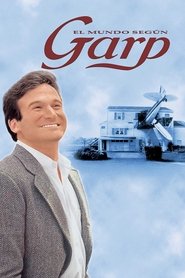
He tried to adapt to the new times with The World According to Garp in 1982. It was the film that revealed the dramatic potential of Robin Williams. Hill handled the bittersweet tone of John Irving's novel with great skill, but audiences were starting to look for more direct action movies. There was no longer room for his unhurried perfectionism.
His last work behind the camera was Funny Farm in 1988. It was a light comedy starring Chevy Chase that bore no trace of the genius of his golden years. Hill decided he had already said everything he had to say. He left the film industry without official statements or farewell tours to return to his true passion: teaching drama at Yale University.
He died at his New York home in December 2002 from complications of Parkinson's disease. He was 81 years old.