Irene Dunne failed in her first major attempt. She wanted to be a soprano at the Metropolitan Opera in New York, but the judges rejected her in 1920 after an audition she herself called a disaster. That defeat pushed her toward musical theater, and it turned out to be the best decision of her professional life.
After some time touring regional theaters, she landed the role of Magnolia in Show Boat. It was 1929, and Hollywood was already keeping a close eye on Broadway stages for voices to suit the talkies. RKO's talent scouts saw in her something that went beyond a good voice.
She signed a contract that allowed her to choose her own projects, unheard of for a newcomer.
In 1931 she starred in Cimarron. The film won the Academy Award for Best Picture, but she missed out on the individual award. It was the first of her five unsuccessful nominations. She never needed the statuette to negotiate her contracts, and she did so with a toughness that frightened studio executives.
Laughter as a Negotiating Tool
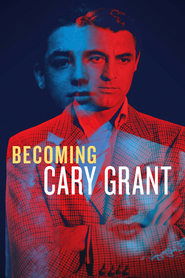
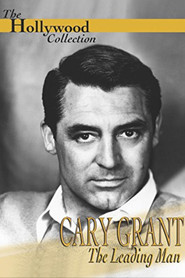
Many industry analysts of the time believed Dunne was only suited to tearjerkers. But in 1936 she made The Awful Truth with Cary Grant and changed the rhythm of screen comedy in the United States. She had a sense of comic timing that few actors could match without seeming over the top.
And the gamble paid off.
She demanded control over her image and her filming schedule. She didn't chase cheap fame, because her private life was a fortress of stability in a Hollywood that chewed up marriages every week. In 1928, she married Francis Griffin, and they stayed together until he died almost forty years later.
Her ability to move from musicals to rural drama or screwball comedy made her the highest-paid actress in the world by the late 1930s. She earned salaries of over one hundred thousand dollars per film. That allowed her to afford turning down roles she didn't consider worthy of her status.
Voluntary Retirement and Business Affairs
Unlike other stars who let their decline play out on movie sets, Dunne chose to leave at the right time. Her last film was It Grows on Trees in 1952. She was just over fifty and still got interesting scripts in her mailbox every Monday.
She was in charge of her own destiny.
She preferred political activism and high-level diplomacy. In 1957 President Eisenhower appointed her as an alternate U.S. delegate to the United Nations. She took the post with a technical seriousness that surprised career diplomats, who expected a mere actress figurehead.
She spent her later decades managing her real estate holdings and supporting various Catholic foundations in Los Angeles. She died on September 4, 1990 at her home in Holmby Hills from heart failure. Her death certificate listed her age as ninety-one, a detail she had successfully kept hidden throughout her screen career.