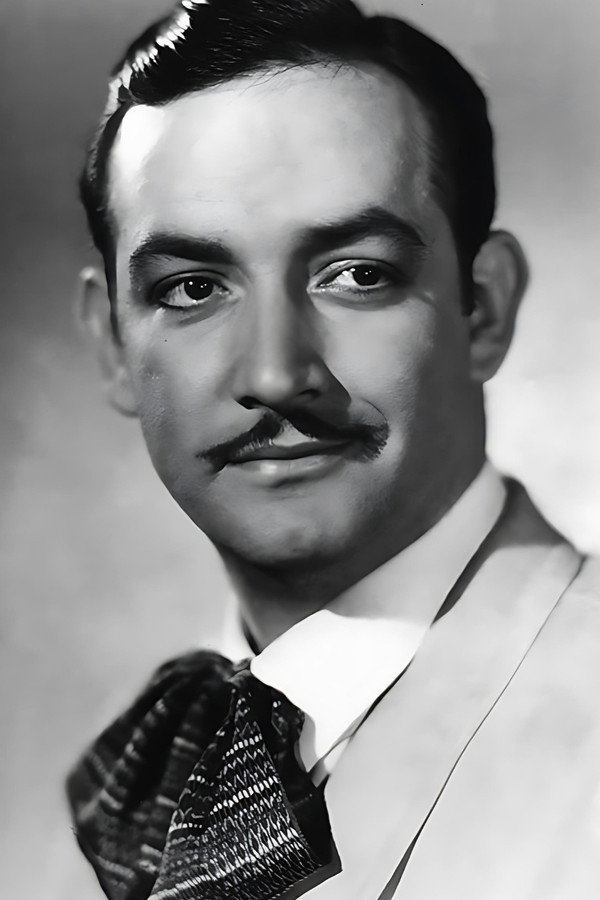
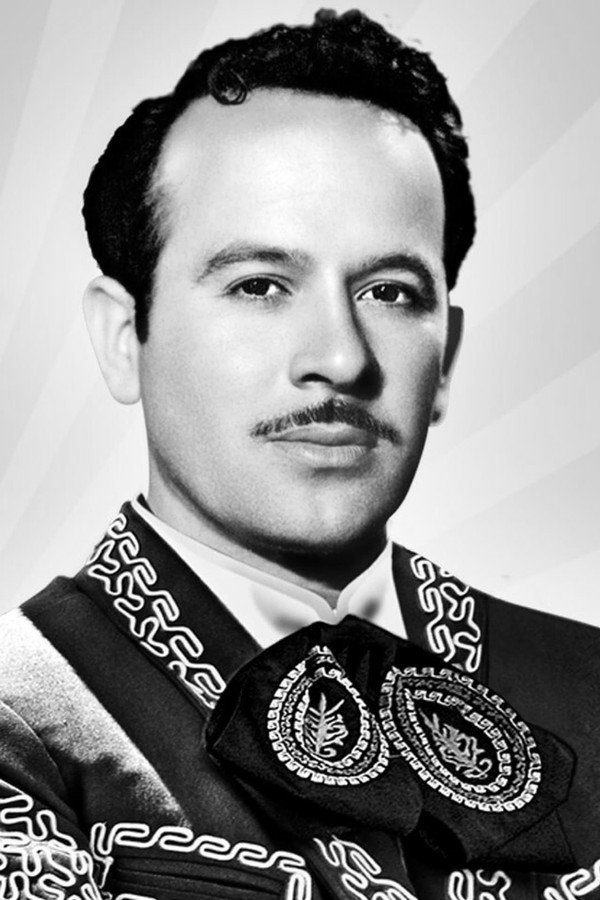
Jorge Negrete came to film with the rank of officer in the Mexican Army and a classically trained tenor voice meant for opera at Bellas Artes. He had the bearing of a strict military man, a diction as sharp as a saber, and no initial interest in popular ranchera music.
No one expected him to end up dressed as a charro.
In 1928, he graduated as a cavalry lieutenant from the Heroic Military College in Mexico City. He drew maps, learned precision shooting, and rode horses with the Prussian rigidity that the academy of the era demanded. But singing pulled him harder than military discipline did. After studying with maestro José Pierson (the same coach as Pedro Vargas and Alfonso Ortiz Tirado), he requested leave from the army and moved to New York to try his luck in classical music.
And there he ate dust. He worked as a waiter in Manhattan restaurants, sang on Hispanic radio stations for miserable pay, and caught a hepatitis that would wreck his body years later. In 1937 he made his screen debut in the feature film La madrina del diablo. It didn't work. His natural haughtiness and aristocratic bearing clashed with the tastes of local audiences, who preferred tougher street types or humbler country characters.
The Knockout Blow at the Box Office
Everything changed in 1941 when director Joselito Rodríguez put the script for ¡Ay, Jalisco, no te rajes! in front of him. Negrete didn't want to sing rancheras because he felt they distorted vocal technique, but the Rodríguez Hermanos production company offered him ten thousand pesos, an impossible sum to turn down at the time.
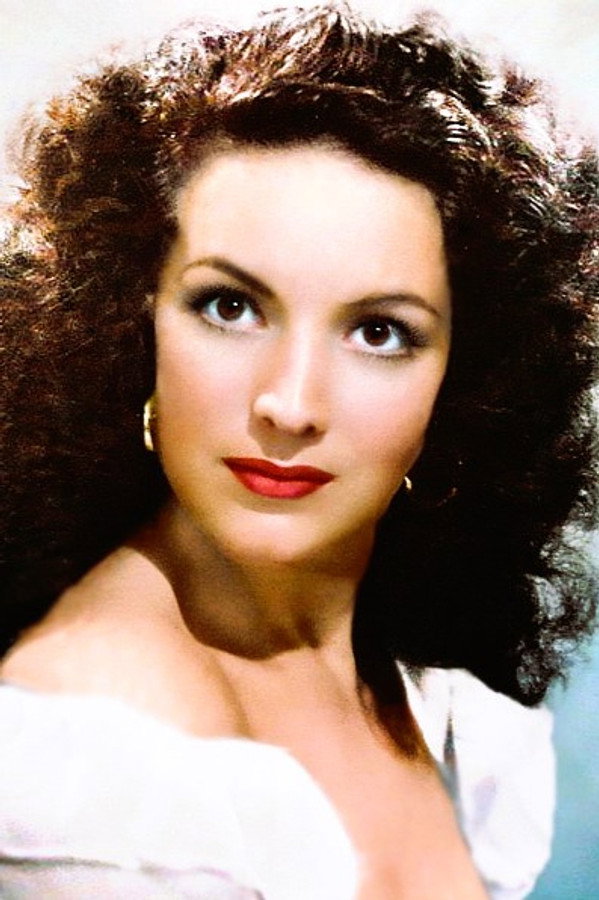
So he accepted the role of Salvador Pérez Gómez. On the spot, he designed a charro prototype that didn't yet exist on screen: a tailored suit, a pistol on his belt, a mischievous smile, and lung capacity strong enough to hold high notes without blinking. That film smashed Mexican box office records and suddenly opened the markets of Colombia, Peru, Argentina, and Cuba. Offers started pouring in with titles such as El peñón de las ánimas (1942), the film where he met María Félix amid on-set clashes and shouting matches.
Audiences packed the movie theaters to see a man who shot while singing and sang while defying danger.
In Spain, the phenomenon exploded in 1948. During his arrival in Madrid, thousands of female fans packed Gran Vía so tightly that police on horseback had to intervene. A year later, in 1949, he shot Jalisco canta en Sevilla in Andalusian locations under the direction of Fernando de Fuentes, sharing the bill with a very young Carmen Sevilla. For Spain's postwar film industry, his presence marked the definitive opening toward big-budget Latin American coproductions.
The Union Leader Who Wouldn't Keep Quiet
But behind the image of the haughty leading man was a relentless negotiator. Negrete took on the role of secretary general of the National Actors Association (ANDA) and went up against the major studios of the era, theater promoters, and any magnate who wanted to cut extras' salaries.
His union battles cost him more enemies than his film shoots did.
He engaged in fierce struggles with other sectors of the entertainment industry, including loud verbal clashes with Mario Moreno "Cantinflas" at union meetings that often came close to turning physical. Negrete used his status as a continental star to secure pension plans, health insurance, and collective bargaining agreements. He even halted his own shoots to appear in labor courts in defense of stagehands and lighting technicians.
In 1952 he married María Félix in a ceremony in Tlalpan that the press billed as the wedding of the century in Mexico. Black mole, barbacoa, and bulk tequila were served to hundreds of guests while the national radio broadcast the details live. Negrete already showed visible fatigue on screen, the result of a liver destroyed by the cirrhosis secondary to the hepatitis he had contracted in his youth.
At the end of 1953 he traveled to Los Angeles to attend stage performances at the Million Dollar Theatre. There he collapsed in his hotel after a massive gastrointestinal hemorrhage caused by ruptured esophageal varices. He was admitted to Cedars of Lebanon Hospital in California, where he remained in a coma for several days.
Jorge Negrete died on December 5, 1953, at age 42. The moment his casket landed at Mexico City's airport, movie theaters across the country stopped their projectors for exactly five minutes as a sign of mourning, leaving the screens dark and the theaters in shadow.