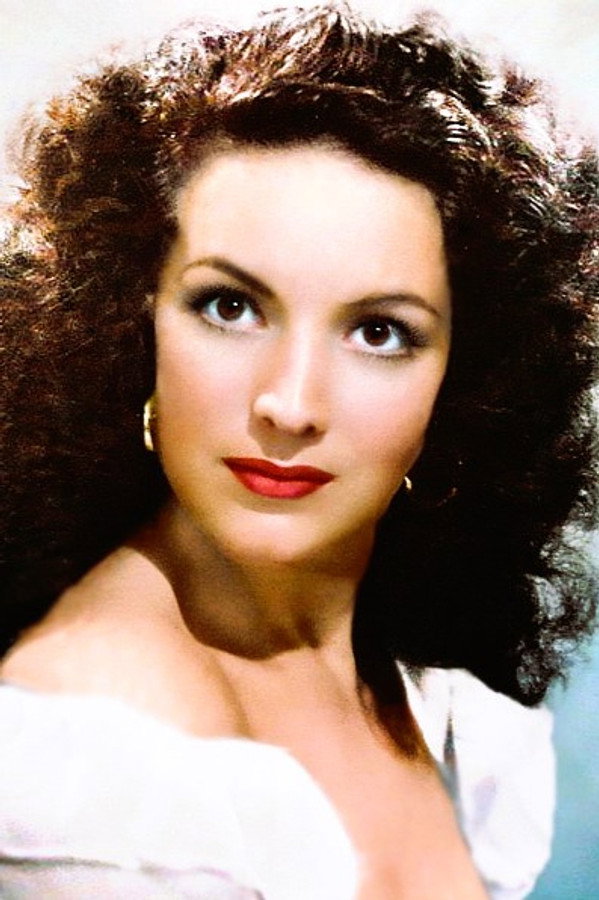
Fernando Palacios stopped her on a corner of Paseo de la Reforma in 1940 and asked her if she wanted to make movies. She replied with indifference that if she felt like it she would, but when she wanted to, not when he said so. That dry arrogance was not a calculated pose of an aspiring actress but her natural way of standing up to anyone.
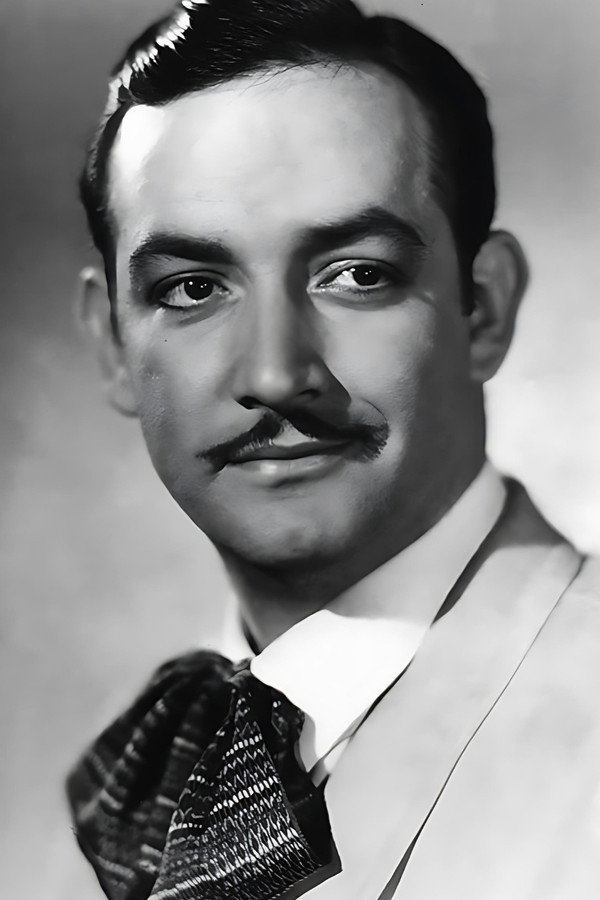
In 1942, she made her screen debut in El peñón de las ánimas, earning five thousand pesos, a considerable sum at the time. She shared the billing with Jorge Negrete, who was already Mexico's top male star and had no tolerance for the audacity of a newcomer without dramatic training.
The shoot was a daily battle of mutual snubs and off-camera jabs.
The audience bought the poison instantly.
The myth forged through contracts
The industry quickly discovered that this woman did not fit the usual roles of the submissive victim of ranch melodrama. In 1943, she shot Doña Bárbara under the direction of Fernando de Fuentes, adapting the text by Rómulo Gallegos. That relentless man-devouring cacica gave her the nickname that stuck and set the rules of the game: María Félix would not cry on screen unless she herself decided when to.
Then came the iron alliance with director Emilio Fernández and cinematographer Gabriel Figueroa.
In Enamorada, Figueroa lit her dark eyes in close-up during a nighttime serenade, creating one of the most expensive shots of the entire production to film because of the time needed to adjust lenses and lights. And it worked at the box office because the camera saw her face as a stony surface, completely free of conventional tenderness.
She won three Ariel Awards for Best Actress in almost consecutive years for Enamorada, Río Escondido, and Doña Diabla.
But Mexico soon became too small for her, and Hollywood executives began circling with blank checks.
Snubbing Hollywood and the European adventure
Metro-Goldwyn-Mayer tried to tie her down with exclusive contracts to take her to California. She turned them all down without batting an eye. Félix understood that at the big North American studios she would be relegated to supporting roles as a peasant woman with an exaggerated accent or an exotic Mexican barroom girl.
So she crossed the Atlantic to film in Spain, Italy and France, where major directors welcomed her as an aristocrat of the screen.
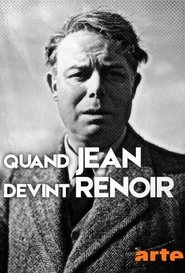
In 1954, she shot French Cancan under the direct guidance of Jean Renoir, playing Lola de Castro, an unruly dancer. Renoir rewrote entire sequences of the script so that she would not have to pretend to perform a dance she did not master, adapting the rhythm of each shot to her physical presence.
Five years later, she worked with Luis Buñuel on La fiebre sube a El Pao.
Buñuel was famous for despising the demands of flashy stars, but with her he kept a cold, professional truce. During the weeks of filming in Acapulco, the Aragonese director respected her wardrobe conditions and rest hours without arguing over a single shot.
Nobody could get the better of her on a movie set.
Timely retirement and final numbers
Her marriage in 1956 to French banker Alex Berger gave her a financial security that freed her forever from any need to accept mediocre scripts. She began to space out her film appearances and devoted years to breeding thoroughbred racehorses at French racetracks, an elite business she managed with an auditor's rigor.
Her last work on film was the western La generala in 1970, directed by Juan Ibáñez.
Filming ended in a direct clash with the producers over budget cuts, and Félix decided to cut her losses. She understood that the new cinema of the 1970s was dismantling the mystique that black and white had built around her image, so she refused to stand in front of a film camera again for the next three decades.
She died on April 8, 2002, at her residence in Mexico City from heart failure while sleeping, on the very day she would have turned eighty-eight.
She left behind a closed body of work of forty-seven feature films, a collection of Cartier jewels valued in the millions, and zero films shot in English.