Sobriety as a Method
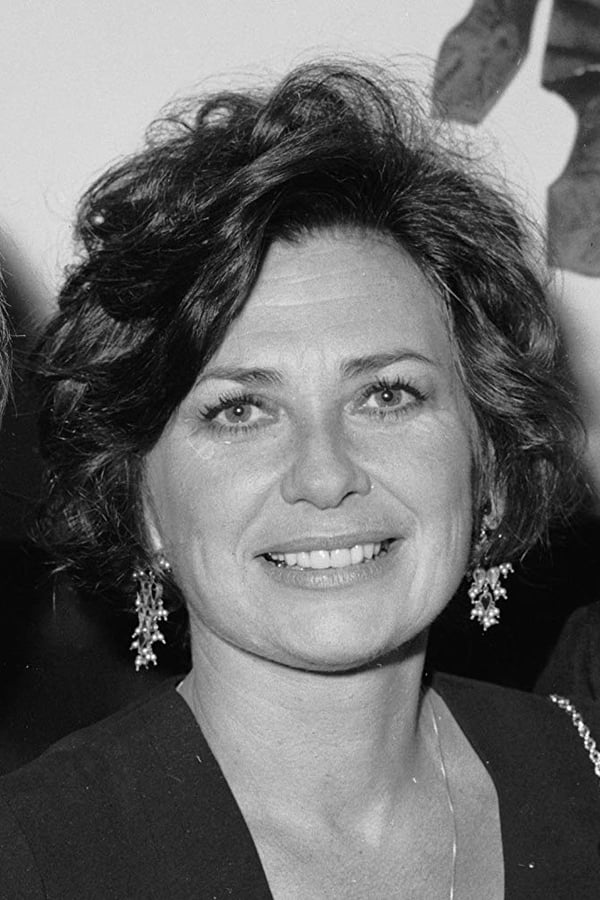
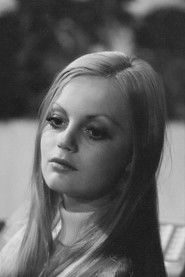
Norma Crane was not a pretty face to fill background shots. Her gaze had a hardness that only comes from years of sweating through sessions at the Actors Studio in New York. In 1951 she debuted on the series Suspense, and from that moment on she specialized in celebrities who chewed through drama with a naturalness rare for the era.
Elia Kazan considered her one of his most brilliant students because she avoided any kind of artifice in front of the camera. But the major studio industry did not always know what to do with such raw talent. They preferred to typecast her in strong-woman roles or as wives with a inner world on the verge of exploding.
The industry never quite knew what to do with that kind of talent.
In 1956 she appeared in Tea and Sympathy, and her name began to be heard in the offices of producers looking for something more than a perfect smile. She worked tirelessly in television on productions such as The Untouchables and Alfred Hitchcock Presents. Those were the black-and-white years in which Crane learned to master the rhythm of fast dialogue without losing emotional depth.
Success in the Shadow of Illness
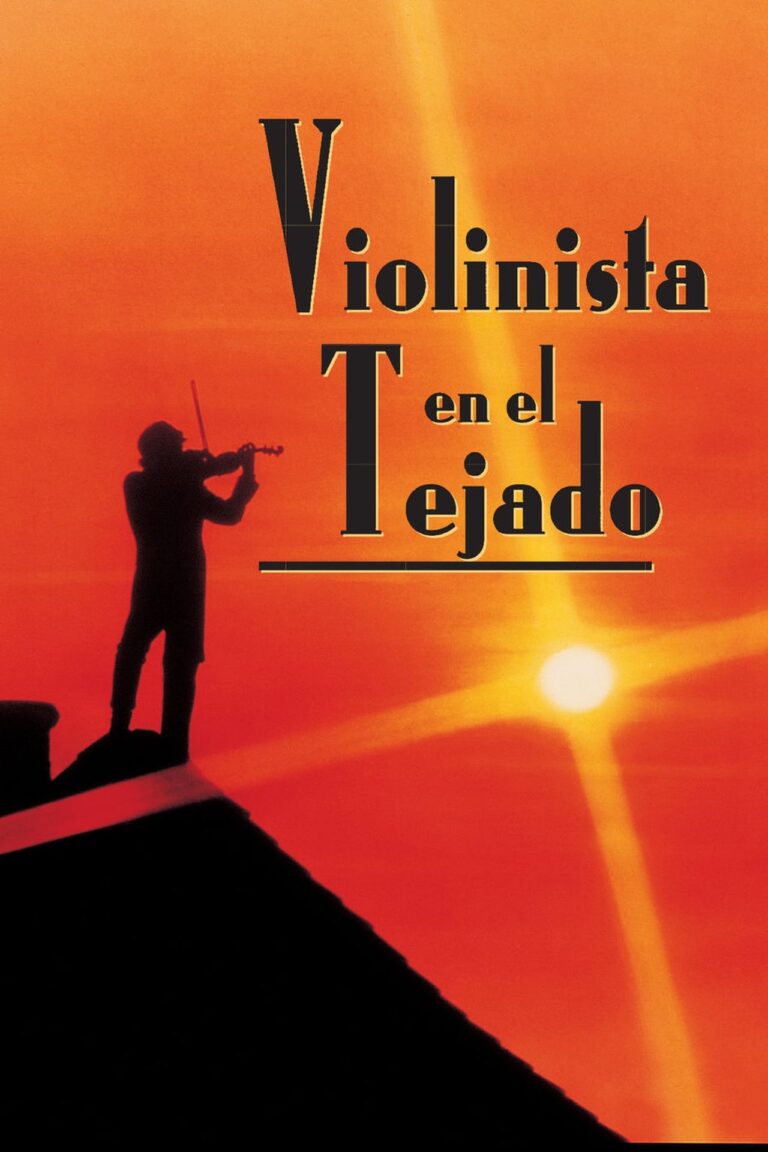
In 1970, she shot They Call Me Mister Tibbs! alongside Sidney Poitier. The project put her back on the radar of Hollywood's top casting directors. Shortly afterward, Norman Jewison called her in for what would become the role of a lifetime in the film version of Fiddler on the Roof.
And she did it while cancer was already winning the battle.
During the filming of 1971 in Yugoslavia, no one suspected that the actress playing Golde was enduring unbearable physical pain. Crane decided to hide her breast cancer diagnosis so she would not be removed from the production. For her, that character represented the culmination of decades of quiet work on stage and on the small screen.
Her performance as Tevye's wife is an exercise in restraint and strength. But the process was a physical ordeal that only a few people knew about on the set. So every time we see her on screen in that film, we are watching a woman fighting to finish her last great work.
An Ending Without Long Applause
After the film's release in 1971, critics praised her work. She was nominated for a Golden Globe, and it seemed she would finally join the list of actresses most sought after by prestige directors. But her health deteriorated sharply in the following months, and the offers that came in could not be realized.
There was no time for a second golden era.
She passed away on September 28, 1973 in Los Angeles from the breast cancer she had tried to ignore in order to fulfill her contract. She was only 45 years old, and left behind a filmography of barely a dozen movies and dozens of television appearances. Her funeral was a private ceremony at Westwood Village Memorial Park, without the massive press presence her talent deserved.