In 1972, the Mexican daily El Heraldo de México chose a young woman from León as its face of the year, unaware of the industrial earthquake about to hit. Lucía Méndez did not come from dynastic dynasties or from the patrician families of Mexico's Golden Age of cinema. Her ticket to stardom was a mix of sharp photogenic appeal and fierce determination in front of the cameras.
Her leap to the big screen came almost immediately. In 1975, Carlos Enrique Taboada cast her in Más negro que la noche, sharing the frame with Claudia Islas, Susana Dosamantes and Helena Rojo in a gothic mansion choked with cats and drapery. That horror film hit the box office like a bullet. And producers discovered that the camera not only tolerated her but pursued her relentlessly.
The following year she shot El ministro y yo alongside Cantinflas and recorded ballads by Juan Gabriel, selling one million copies before turning twenty-two. But Méndez was clear that traditional studio films were ceding their crown to the true mass-audience monster of the era: the small screen.
And television devoured her whole.
The Prime-Time Scandal
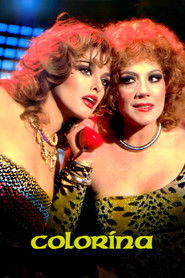
In 1980, producer Valentín Pimstein placed the script for Colorina on her desk. The storyline shattered the conventions of classic melodrama by placing a cabaret prostitute at the very center of the story. Panic spread through the Televisa offices over government fines, so the company took an unprecedented step.
The network's management pushed its broadcast back to 11 p.m. to avoid federal censorship. The move multiplied the buzz. The result was a collapse in ratings that emptied the avenues of Mexico City at midnight while viewers held their breath in front of the TV.
To round out the pop package, Camilo Sesto wrote the theme song and produced her next album. Méndez understood before her colleagues that record sales fed the adoration of television audiences.
Seeking prestige in dramatic film, in 1983 she starred in God's Crooked Lines under the direction of Tulio Demicheli. The adaptation of Torcuato Luca de Tena's novel demanded a severe makeover from her to play Alice Gould in the asylum. It was a rigorous performance that caught off guard those who only knew her in sequined gowns at television galas.
Nobody expected such a cold reception at the box office.
Yellow Eyes and Dollar Contracts
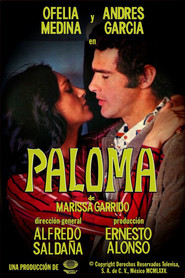
In 1985, Tú o nadie arrived alongside Andrés García. The production broke continental borders, and its companion album earned her a nomination for the American Grammy Award in the Latin pop category. The serial aired in Italy, Russia and Arab countries with millions of viewers.
But her most complex challenge came in 1988 with El extraño retorno de Diana Salazar. The plot mixed the seventeenth-century Inquisition with telekinesis in contemporary Mexico. Each time the character unleashed her psychic fury, the actress's gaze was transformed by glowing cosmetic contact lenses brought in specially from the United States.
In 1992 she decided to break free from the invisible chains of the San Ángel monopoly. She signed with the American network Telemundo to film Marielena on sets in Miami, a business move that triggered a contract blockade of nearly fifteen years on Mexican screens.
That corporate war did not slow her down. In 1994 she headed Señora tentación, and four years later she returned to Mexico with Tres veces Sofía for TV Azteca, proving that her commercial name could stand on its own outside the great family empires of the industry.
A Perpetual Set in Front of the Camera
The business had changed.
En 2008 aceptó la invitación de Pedro Torres para participar en la primera entrega de Killer Women encarnando a una prostituta que termina envenenando a su cliente. Aquel episodio registró picos de 22 puntos de cuota de pantalla en el circuito de pago y reabrió el debate sobre su capacidad técnica ante directores exigentes.
In 2022 she embraced the logic of digital consumption by joining the reality format Siempre reinas for on-demand streaming platforms. In 2024 she returned to commercial cinemas with the comedy Killer Babes and joined the cast of the series La Máquina alongside Gael García Bernal.
During the filming of 1988, the crew had to suspend three shooting days because Diana Salazar's cosmetic contact lenses caused her a corneal ulcer that required ten days of complete eye patching.