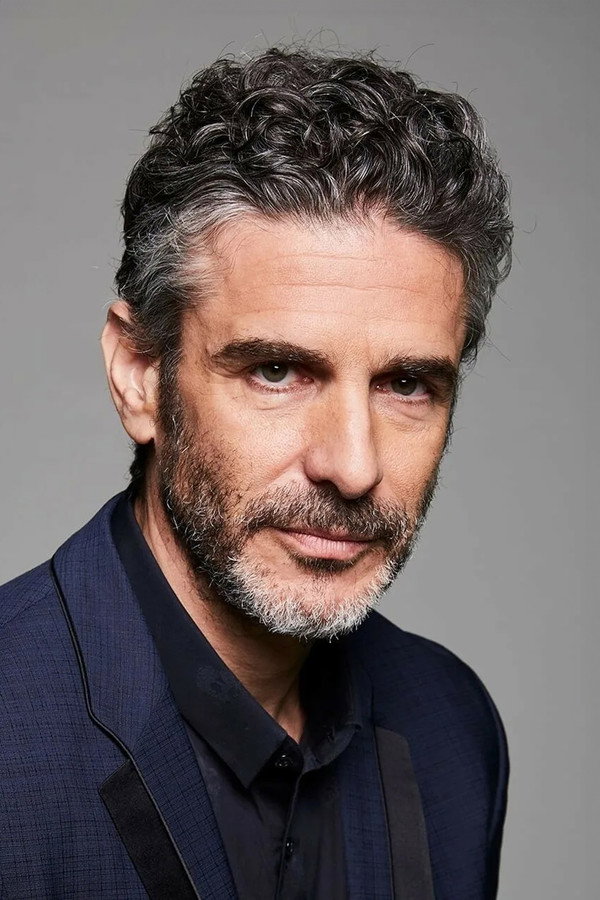
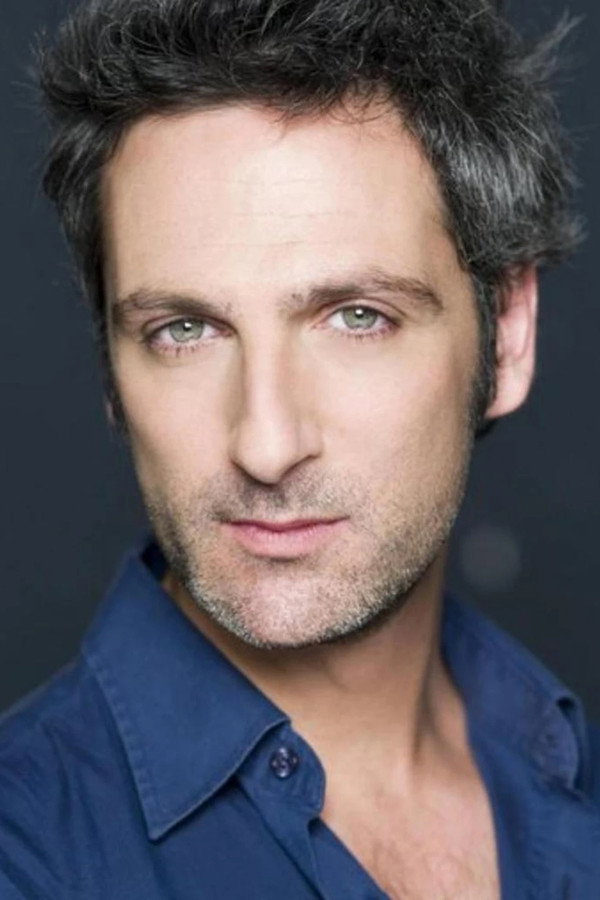
At sixteen, Leonardo Sbaraglia watched his student activist classmates die on screen in a vacant lot in La Plata. He was 1986, and director Héctor Olivera was shooting La noche de los lápices with a group of kids who barely understood the weight of the dictatorship on their shoulders. Sbaraglia played Daniel Alberto Racero, one of the kidnapped students.
That shoot engraved into his body the discipline of political cinema.
Soon after, Argentine television swallowed him up with the youth series Clave de sol. For three years the show smashed ratings with more than forty points of audience share, and the boy from the neighborhood couldn't walk the street without a bodyguard. He earned good money and learned to nail shots against the clock in front of three tube cameras, but the whiff of a fleeting phenomenon scared him.
So he cut his losses and took refuge in independent theater with Agustín Alezzo. The stage work in Buenos Aires demanded a discipline of voice and body that commercial television would destroy in two afternoons.
The Leap into the Unknown with Marcelo Piñeyro
When Marcelo Piñeyro called him for Tango feroz: la leyenda de Tanguito in 1993, Argentine cinema was going through a devastating industrial drought. The film drew more than one and a half million moviegoers to theaters and revived a market many had given up for dead.
Two years later, Piñeyro brought him back for Wild Horses alongside Héctor Alterio. That desperate escape along the roads of Patagonia made him the visible face of a disillusioned Argentine youth facing the dismantling of the State. But the partnership between actor and director peaked with Burnt Money in 2000, an adaptation of Ricardo Piglia's novel in which he shared the screen with Eduardo Noriega.
The shoot was a physical trench.
To play the gunman known as El Nene, he lost weight and locked himself away for weeks in a hotel in Montevideo. The film caused an uproar for its raw content and its explicit love scenes between criminals, although in Madrid offices it got several Spanish producers to put his name at the top of their priority casting lists.
Madrid's Roulette and the One-Way Ticket
He landed in Madrid at the end of 2000 with a borrowed suitcase and a one-way ticket. Juan Carlos Fresnadillo was preparing his first feature film, Intacto, and needed a magnetic face that could convey the guilt of a survivor when everyone else dies in a plane crash.
The gamble paid off. At the 2002 ceremony, he won the Goya for Best New Actor and sidestepped the usual fate reserved for Latin American actors: minor roles as waiters or small-time criminals.
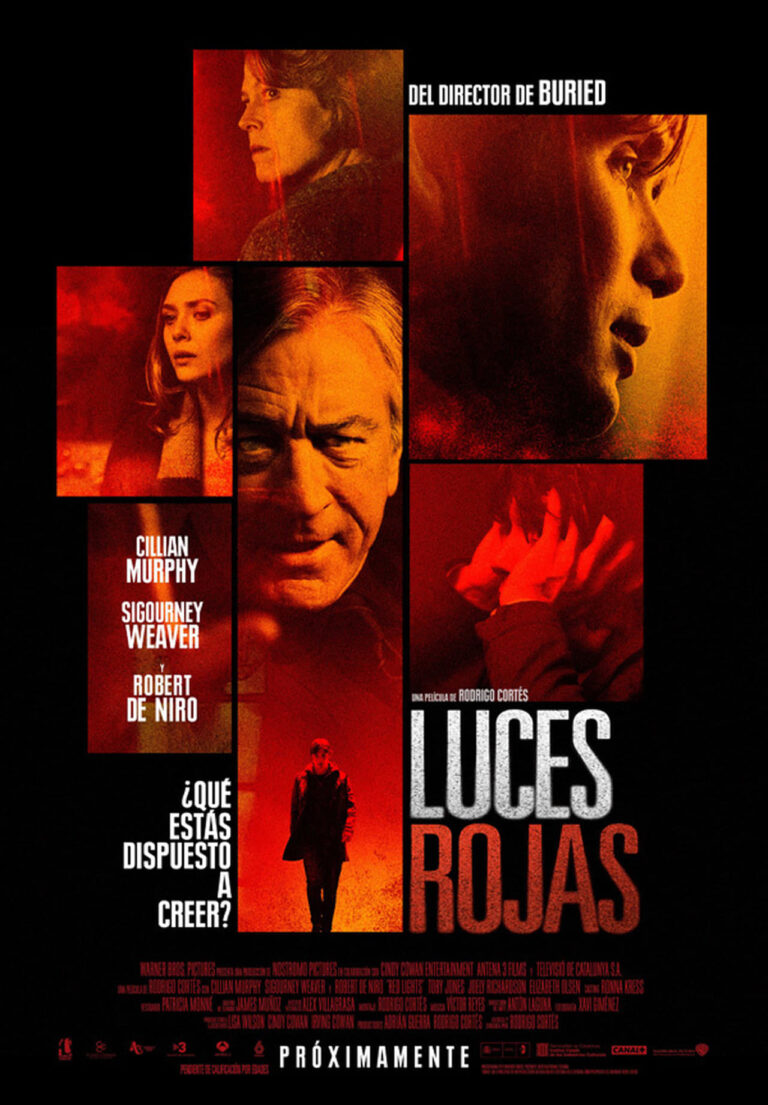
Years of back-to-back shoots across the peninsula followed. He worked under Antonio Hernández in En la ciudad sin límites opposite Fernando Fernán Gómez, joined Daniel Brühl in Salvador (Puig Antich) in 2006, and starred in Concursante in 2007, a scathing economic satire directed by Rodrigo Cortés. In all these projects he shaped a neutral, restrained Castilian Spanish, built on tense silences and a clenched jaw.
And the Spanish film industry embraced him as one of its own.
He never fully left Buenos Aires, but he set up a base of operations in Spain that allowed him to avoid being typecast and to move between genres without answering to anyone.
Fifty Calls and a Latex Prosthetic
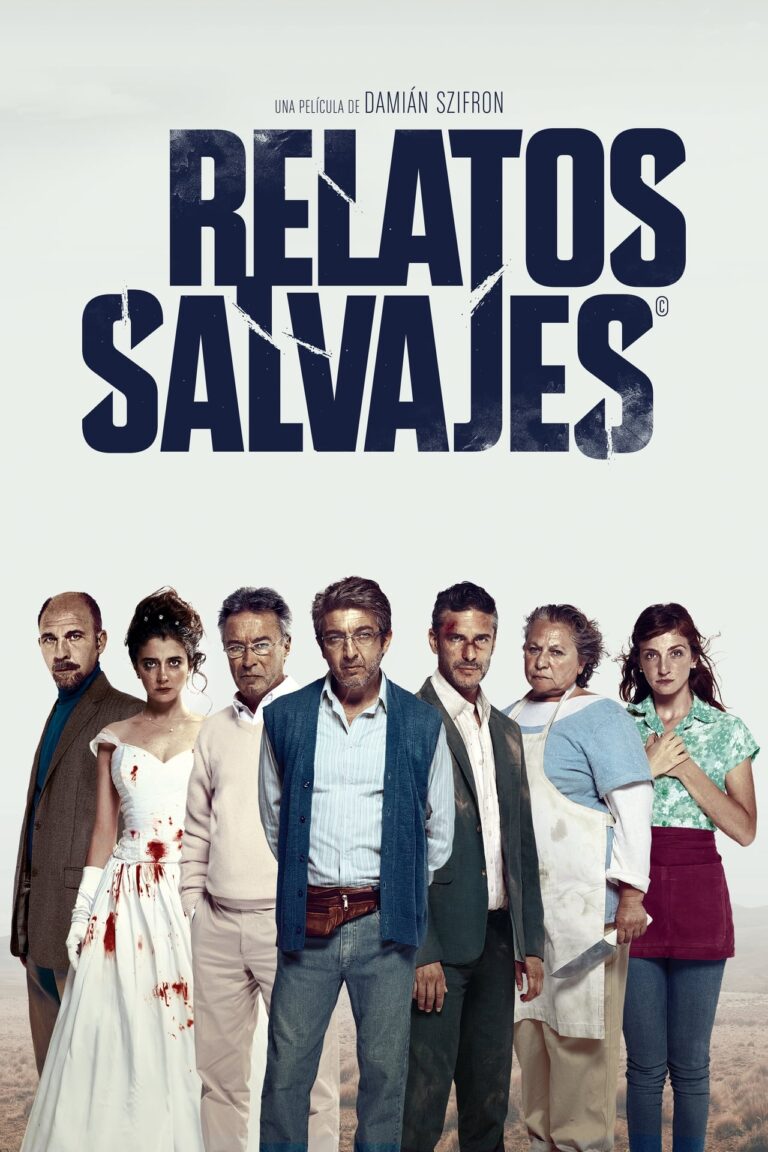
In 2014, Damián Szifron put him inside an Audi on a deserted road in Salta to shoot the most suffocating episode of Wild Tales. The fight to the death against a resentful driver was filmed under forty-degree heat that warped the asphalt. The production competed for the Palme d'Or at Cannes and multiplied his international work offers.
Pedro Almodóvar lo reclutó en 2019 para Pain and Glory con un objetivo milimétrico: sostener una conversación de reencuentro frente a Antonio Banderas en un piso de Madrid. Fueron apenas quince minutos de metraje, pero esa secuencia resolvió el nudo dramático de toda la película con una sobriedad demoledora.
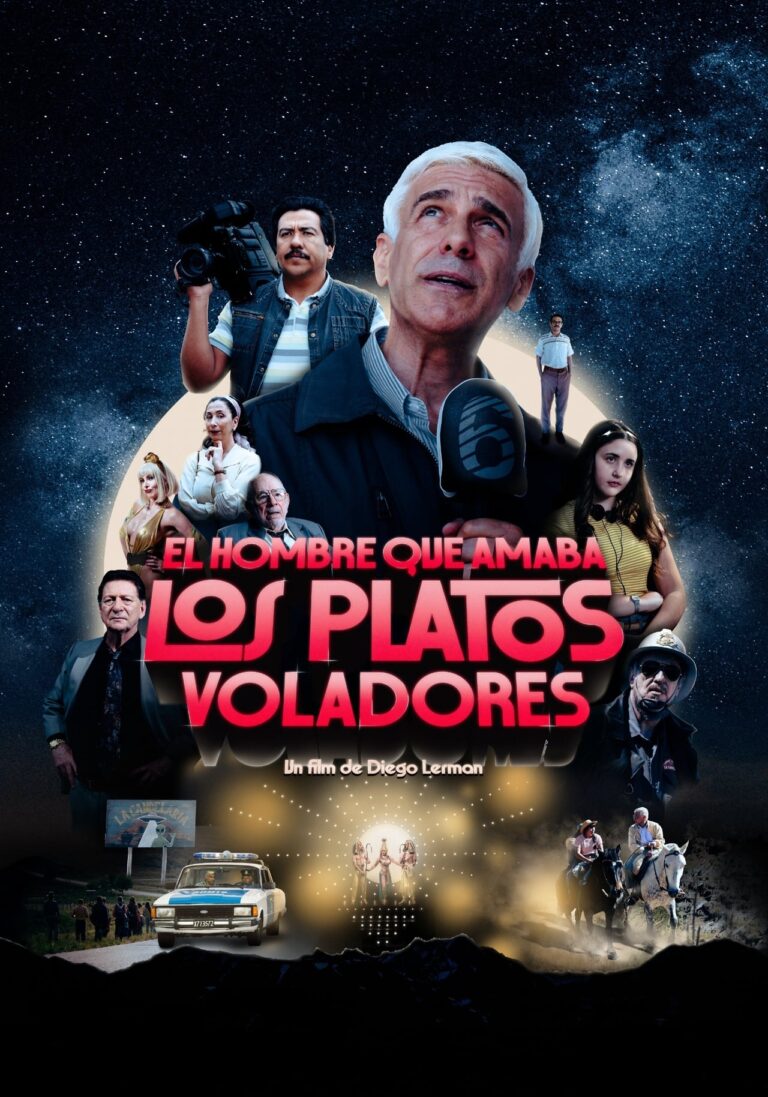
In 2023 he co-starred in Puan alongside Marcelo Subiotto, directed by María Alché and Benjamín Naishtat, playing a pretentious professor who returns from Paris to a crumbling public university in Argentina. In 2024 he took on the role of journalist José de Zer in The Man Who Loved UFOs, directed by Diego Lerman, recreating the media coverage of alleged UFO sightings during the 1980s.
For the drama series Menem in 2025 he endured four hours a day of prosthetic makeup designed to recreate the baldness and sideburns of the former Argentine president. The shoot wrapped at the Munro studios after covering seventy-two real locations and discarding three faulty pairs of facial prosthetics during the first week of camera tests.